Nowadays, smart home appliances are already widely used in big cities. It combines the concept of green energy and advancement of wireless technology. The existence of automation technology is a key characteristic of smart home appliances. It will provide convenience for user in carrying out their daily activities at home.
In this article we will discuss all about smart home appliances and its regulatory requirements in Indonesia.
Trends of smart home appliances
In the past, we might have never thought that one day we could control our home appliances while being away from them. Therefore, the implementation of wireless technology in home appliances giving significant changes in our life.
As we can see that right now there is a significant increase number of the variety of home appliances that have embed with wireless communication module. Commonly, home appliance products are using Bluetooth and WiFi technology to communicate with other devices.
Simply said that we can just activate the wireless feature of our home appliances and connecting them to our smartphones, then automatically we do remote control against every activity of our home appliances in the house.
Regulatory control for smart home appliances
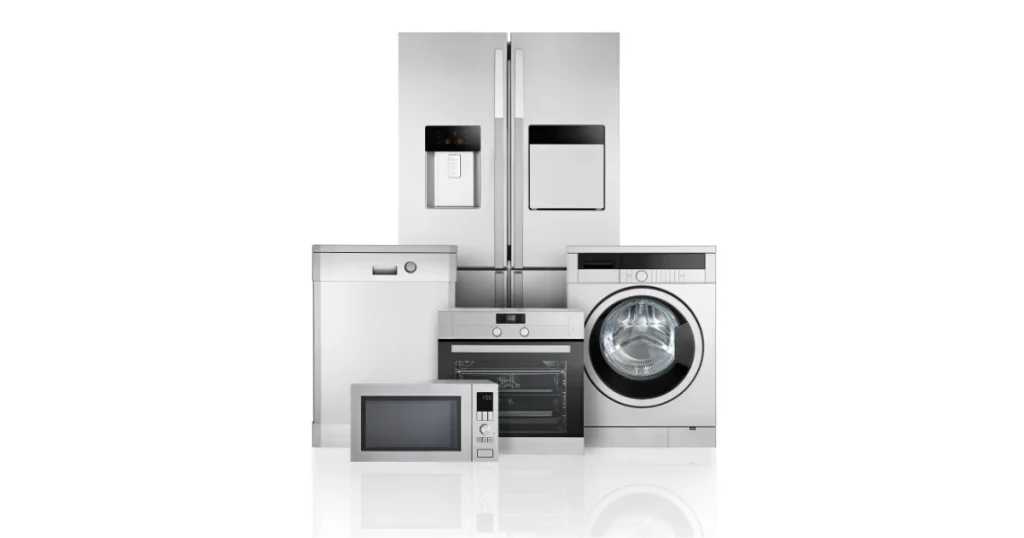
The use of wireless technology in home appliance industry is also considered as one value added from consumer’s perspective, especially when they have a plan to buy particular home appliance products.
In effort to protect the consumers, DJID as a regulatory for wireless technology standardization in Indonesia requires smart home appliances with wireless features to fulfil a compliance requirement through certification process.
Possibly some manufacturers or importers still do not know the procedure of the DJID certification, especially for home appliances. In the last couple years, we have actively assisted manufacturers and importers in the process of fulfilling the DJID certification for smart home appliances.
We have handled many types of home appliance product like washing machines, dishwashers, refrigerators, cooker hoods, ovens, induction hobs, and vacuum cleaners. Each home appliance type will have different challenges and approaches during the process of obtaining the DJID certificate.
How we handle DJID certification for smart home appliances
Together with our incredibly supportive team, we can even assist the testing process of big home appliances such as refrigerators and ovens. Currently, our local laboratories are also very capable on doing testing for big products with excellent services and facilities.
Our local laboratories such as BBPPT Lab and HCTI Lab, they will provide a convenience services to applicants especially in the process of sample mobility during the testing inside the laboratory testing facilities.
Before we start the testing process in the laboratory, firstly we need to understand that home appliances mostly come with a big size which definitely make manufacturers or importers struggling to provide a conducted sample as a whole end product.
However, the requirement of RF test report for the submission of DJID certification does not always submitting the test results from its end product. DJID can also accepts RF test report from its RF module. This will make the testing process easier for manufacturers or distributors especially in the process of preparing samples for the testing needs.
Testing process for smart home appliances
After we knew a little bit about submission documents, now we can proceed to the sample testing process. Basically, there are three testing categories needed for smart home appliances: RF, EMC, and Electrical Safety tests.
RF testing
Most RF testing for home appliances are conducted through its RF module. By conducting this RF module testing scenario, it will definitely help manufacturers and distributors in procuring the conducted sample because they don’t need to bring home appliances sample within testing mode.
In addition, this scenario will also save the cost if the RF module is being used on other home appliance types, considering that usually manufacturers will use the same RF module for various types of their home appliances.
EMC testing
The sample for EMC testing requires applicants to bring the home appliance unit that need to be certified during the testing process. Generally, EMC sample needs can be met through commercial products without any special modifications, also known as normal sample.
For the needs of DJID certification, our local EMC laboratories are required to conduct EMC testing based on the international standard of CISPR32. Home appliances should pass two EMC testing parameters, radiated and conducted emissions.
Electrical safety testing
Not much different with EMC test, the sample requirements for Electrical Safety test are also required to bring the home appliance as a whole during the testing process. The type of sample requirement is still the same as EMC testing, a normal sample.
For the needs of DJID certification, our local electrical safety laboratories will refer to the international standard of IEC 60950-1 as the testing standard. Home appliances should pass two Electrical Safety testing parameters, touch current and electrical strength.
If you have any question related to DJID certification, please don’t hesitate to contact us by sending enquiry to info@narmadi.com.